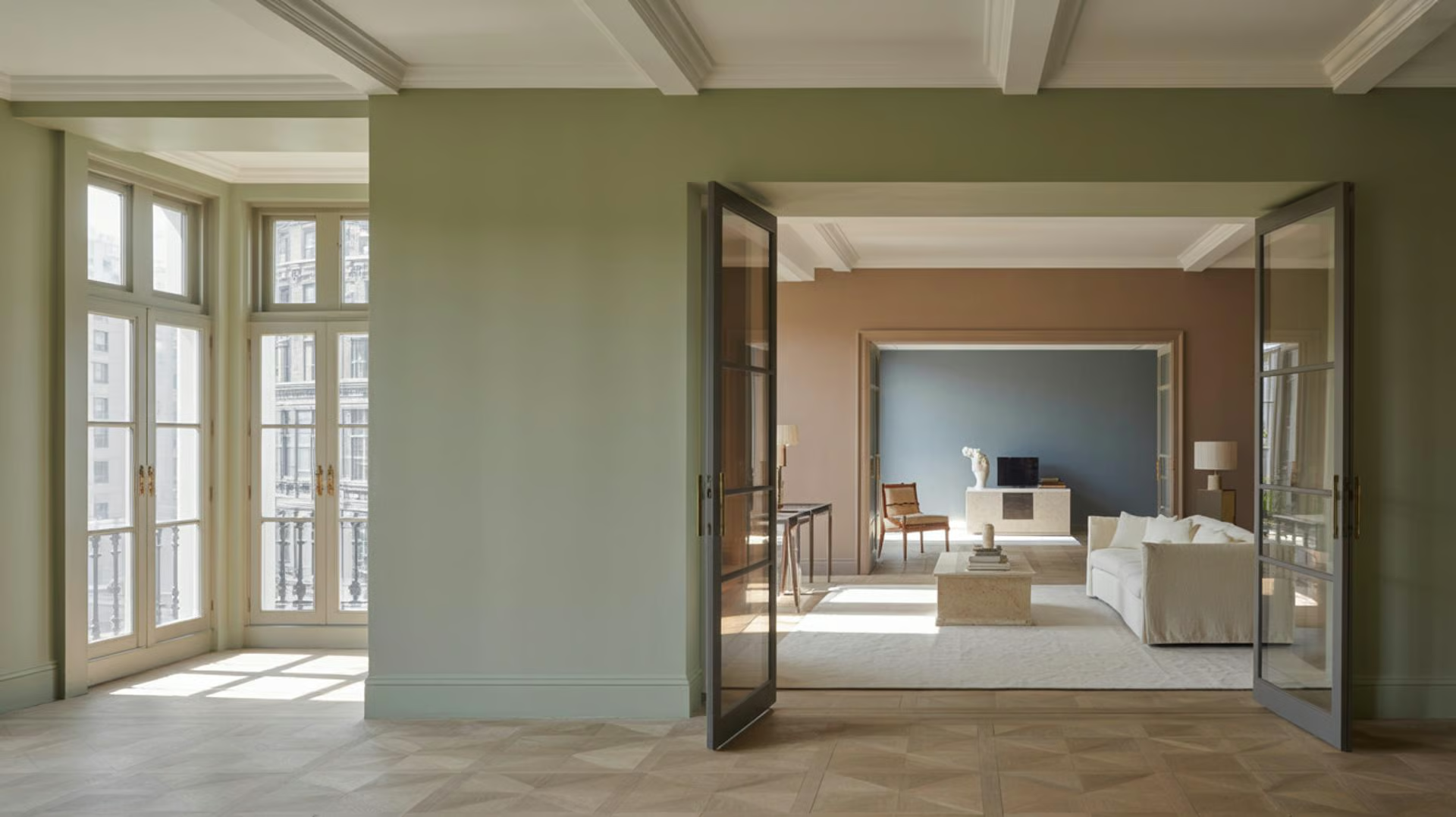
Paint science combines color psychology, lighting, and function to help you select hues that make each room feel right. This guide walks through the key considerations so you can confidently choose paint colors that elevate your home.
Understanding color psychology
Colors shape emotions—blues and greens soothe bedrooms and baths, while warm reds and oranges energize living and dining spaces. Use psychology to align hues with the mood you want each room to evoke.
Considering natural and artificial lighting
Lighting alters color perception. Rooms with ample sunlight can handle cooler tones, while darker rooms benefit from lighter shades. Artificial bulbs also shift color—warm bulbs enhance yellows/oranges, cool bulbs intensify blues/greens. Test samples under varied lighting.
Matching colors to room function
Let room purpose guide your palette—home offices thrive with concentration-friendly hues like muted blues, kitchens welcome warm earth tones, and bedrooms deserve calming pastels or neutrals.
Using the color wheel for harmony
The color wheel helps you create cohesive schemes: complementary colors add vibrancy, analogous palettes feel serene, and triadic combinations balance energy and contrast.
Testing paint samples
Larger swatches reveal how a color behaves in different light and with furnishings. Observe samples throughout the day to avoid surprises and ensure your choice meets expectations.
Considering the impact of finish
Finish influences look and durability—matte hides flaws, satin/eggshell balances sheen and cleanability for high-traffic areas, and gloss emphasizes trim or accents.
Coordinating with existing decor
Colors should complement furniture, artwork, and accessories. Neutral walls provide flexibility, while a bold feature wall can add focus without overwhelming the room.
Addressing ceiling and trim colors
Light ceilings enlarge rooms while darker ceilings create intimacy. Trim can blend with walls for subtlety or contrast for definition—both choices enhance architectural detail.
Incorporating trends wisely
Use trends for inspiration but pick colors you love for the long term. Introduce trendy hues through accessories so you can refresh easily without committing to a full repaint.
Seeking professional advice
Designers and color consultants help tailor palettes to your architecture and style while providing trend and practical guidance.
Transform your home with the right colors
Understanding color science lets you craft spaces that feel beautiful and functional. Ready for expert help? Reach out to Hovhannes Hovakimyan for personalized support.
FAQs
- How does lighting affect paint colors?
- Natural light shifts throughout the day, so cool tones suit bright rooms while darker spaces benefit from lighter shades; artificial lighting also alters hue warmth, so test samples under all conditions.
- Should I match paint to room function?
- Yes—choose calming hues for restful rooms and energizing tones for social spaces to align with how each room is used.
- Can I try trends without repainting often?
- Use trendy colors in accessories or a feature wall so you can change the look without a full repaint whenever trends shift.